
Avoiding Burnout in 2026: Human‑Centred Performance leadership habits that actually work
KEY TAKEAWAYS
Why burnout risk is high in 2026, and what’s different from previous years.
Practical, everyday leadership behaviours that reduce burnout risk without lowering standards.
How regular check‑ins, reflection time and human‑centred development create sustainable performance.
Winter 2026 brings dark mornings, dark evenings and shorter days; familiar challenges for leaders and teams pushing for performance. The good news? You can sustain energy, focus and wellbeing through simple, human‑centred leadership habits that actually work.
In this article (and the linked People Performance Podcast episode), Senior Consultant Alex Mather and host Scott Morrison explore how leaders can avoid burnout in 2026 by focusing on people, not just performance.
Why burnout looks different in 2026
New year energy is real; fresh objectives, new projects, that clean‑slate feeling. But winter's shorter days and darker hours can drain momentum if you're not intentional.
The most effective leaders don't wait for burnout to hit. They build proactive energy management into their team's everyday rhythm, protecting performance by prioritising people first.
The early warning signs leaders should watch
Burnout rarely appears overnight; it builds through repeated, unmanaged strain. In the podcast, Alex highlights that the real risk is when development and support are treated as rare, formal events instead of everyday habits.
Common warning signs in teams include:
Fewer honest check‑ins and more surface‑level “I’m fine” responses.
Performance reviews happen once or twice a year, with little meaningful conversation in between.
People feel stretched but unseen – their goals, pressures and motivations are not discussed regularly.
When this happens, people may keep delivering in the short term, but their engagement, creativity and resilience start to erode.
Human‑centred leadership: talk less about performance, more about people
Alex’s core message is simple: if you want performance, talk less about performance and more about people. When leaders understand what gets people out of bed in the morning, their purpose, motivations and personal goals, everything else becomes easier to align.
Human‑centred leaders:
Make time for regular, informal check‑ins – often just five minutes over a coffee, not a big formal meeting.
Ask about short‑, medium‑ and long‑term goals, not just tasks and deadlines.
See people as human beings, not just “resources” or numbers, and show this consistently in how they communicate.
This does not mean becoming a life coach for every team member; it means leading with genuine curiosity about what matters to people and how work fits into their lives.
These behaviours align with T2's 6 Pillars of Leadership – especially Leading Yourself and Leading Others.
Everyday habits that help avoid burnout
Avoiding burnout in 2026 is less about dramatic interventions and more about small, consistent behaviours done well.
Practical habits leaders can build into their week:



Regular check‑ins: Schedule short, frequent conversations to understand workload, pressure points and support needs – not just performance updates.
Protected thinking time: Encourage people to protect quiet time in their calendar for reflection and deeper work, and model this yourself.
Team huddles with psychological safety: Use team huddles to create a space where people can be honest about how they are doing, rather than just reporting progress.
When these habits become normal, teams feel more seen, supported and able to speak up early – which is key in preventing burnout from building silently in the background.
The power of reflection: shortening the gap between insight and action
One of Alex’s key recommendations is for leaders and team members to block out at least 30 minutes a week for reflection – and to protect that time like any other important meeting.
Reflection helps people process experiences, spot patterns and decide what to change. The goal is to shorten the gap between insight and action: the closer those two are, the more sustainable the change becomes and the less likely people are to repeat the same draining cycles.
Who is looking after the leaders?
Burnout is not just a risk for teams; leaders themselves are often under intense pressure and can be the last to receive support.
A powerful question Alex asks is: “Who’s checking in on you?” Leaders also need spaces to reflect, recharge and develop, so they can show up with the energy and presence their teams need. Without this, even well‑intentioned leaders can slip into overwork and role‑modelling unsustainable habits.
Listen to the full conversation
If you want to dive deeper into human‑centred leadership, avoiding burnout and building sustainable performance in 2026, listen to the full People Performance Podcast episode with Scott Morrison and Alex Mather.
You’ll hear real stories from L&D and leadership practice, plus more practical ideas on:
Making development part of “business as usual” instead of a one‑off event.
Helping teams stay energised and engaged across a demanding year.
How T2 helps organisations reduce burnout and build sustainable performance
At T2, the work with leaders and organisations is focused on human behaviour, psychological safety and sustainable performance – not just short‑term output.
Depending on where your organisation is right now, there are several ways T2 can support you:
Leadership development programmes and workshops that help leaders build the skills to run better check‑ins, have more human conversations and spot early warning signs of burnout.
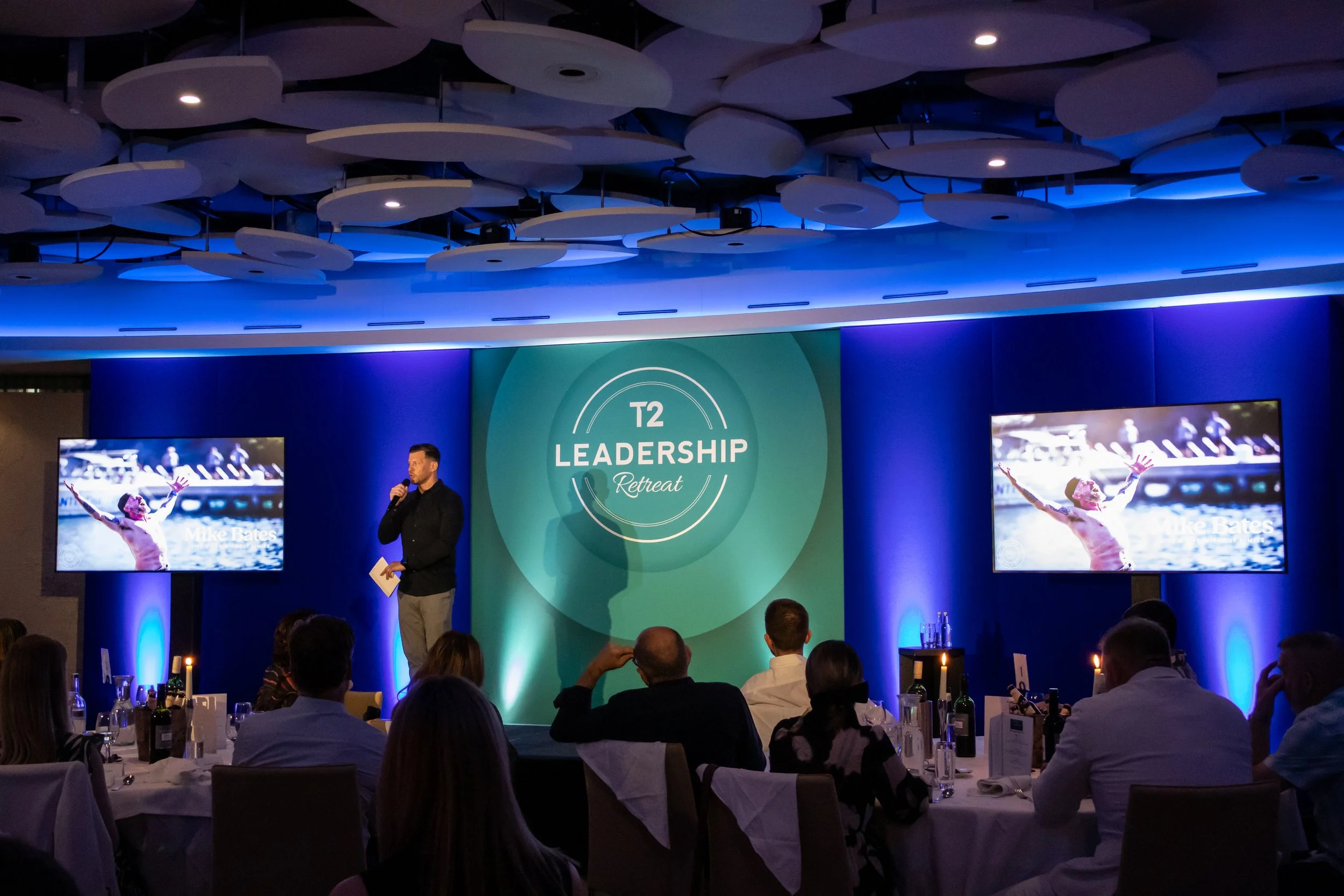
The T2 Leadership Retreat, which gives leaders three days away from the noise to reflect, reset and build new habits that protect performance and wellbeing.
Coaching and consultancy to make development part of business as usual – embedding reflection, feedback and human‑centred leadership into the day‑to‑day.