
Women in leadership: give to the women who hold the pressure
International Women’s Day shouldn’t just be a moment to say “well done” to women in leadership. It’s a moment to ask a harder question:
What are we actually giving to the women who hold the pressure in our organisations, and what do we all gain when we do?
Because in most businesses, women aren’t asking for more inspirational quotes. They’re asking for something much simpler, and much harder: fair conditions to lead well.
The reality: not all leadership pressure is equal
When pressure hits, restructures, and missed targets, we often see the same pattern play out.

Women in leadership roles are:
Carrying more of the emotional load for their teams
Navigating higher levels of scrutiny and judgment
Asked (implicitly or explicitly) to “prove it” again and again
Balancing performance with the expectation to be endlessly patient, available and understanding
And yet, these are often the leaders who keep teams steady, engaged, and moving forward when things feel most uncertain.
They’re the ones:
Having the uncomfortable conversations nobody wants to have
Holding boundaries that protect both people and performance
Modelling the behaviour they want to see, even when the environment makes it difficult
That’s not a “nice to have”. It’s a performance advantage. The problem is that we still talk about it like it’s an individual personality trait, rather than the result of years of repeated pressure.
Women who lead under pressure do three things differently
Every leader is different, and every context is unique. But when you look across boards, partners, senior leaders and managers, you start to see some common threads in how many women lead when the pressure’s on.
1. They turn pressure into clarity
When things get noisy, reactive and messy, strong women leaders don’t pretend everything is fine.
They:
Name reality clearly and honestly
Ask the questions others are skirting around
Make decisions that might not please everyone, but move things forward
They don’t deny the pressure; they translate it into focus. Teams know where they stand, even when the news isn’t comfortable.
2. They hold care and challenge together
Too often, women in leadership are pigeonholed as either “nice and supportive” or “tough and demanding”. The best women leaders we see refuse that false choice.
They:
Show genuine care for people’s well-being and growth
Set clear expectations and don’t shy away from accountability
Deliver difficult feedback without dehumanising the person in front of them
High care, high challenge. That balance builds trust, and trust is what keeps performance going when pressure spikes.
3. They change culture by how they show up
Culture shifts less through posters and town halls, and more through what people see leaders do in everyday pressure moments.
Women who lead well under pressure often:
Admit when they don’t have all the answers
Ask for input instead of pretending to be invincible
Hold their line on values, even when it would be easier to look away
They don’t just talk about psychological safety, inclusion or long‑term performance. They demonstrate it consistently in the meetings, decisions and conversations that nobody outside the room will ever see. That consistency is what quietly changes how a team behaves, what it tolerates, and what it believes is possible.
The shift we need: from “fix women” to “support women”
For years, much of the conversation about women in leadership has sounded like this:
“How can we help women be more confident?”
“How can we make women more resilient?”
“How can we encourage women to step up more?”
The implication is subtle but powerful: women are the problem to fix.
What if we flipped the lens? The question becomes:
How can organisations reduce the extra, invisible load women leaders carry?
How can we change systems so women don’t have to be twice as resilient to get the same recognition?
How can we give women the backing they need to lead sustainably, for them and for their teams?
That means moving from “telling women to be stronger” to giving them what they should have had all along:
Fair opportunities to lead, progress and be seen
Sponsors and senior advocates, not just mentors
Leadership development that takes their reality seriously
Cultures that don’t quietly penalise them for setting boundaries or telling the truth
Give to gain: what organisations get when women can lead well
The theme of International Women’s Day this year is about giving in order to gain.
In leadership, that’s not an abstract idea. It’s very practical.
When you give women leaders:
Clear authority, not just responsibility
Real backing on tough decisions
Flexibility that recognises real lives, not perfect calendars
Space and support to develop, not just “cope”
…you gain:
More stable teams in times of change
Better decision‑making, because more perspectives are genuinely heard
Stronger culture, because behaviour matches the values on the wall
Leaders who can sustain their performance, rather than burn out quietly
This isn’t about special treatment.
It’s about removing unnecessary friction so women can do the job they are already doing, and doing well, without paying a higher personal cost.
A practical question for this year
So, what do we do with all of this? You don’t need a huge campaign or a big launch to start. You need one honest action.
This International Women’s Day, try asking yourself:
Who is the woman in our organisation who holds a lot of pressure, and what could we give her that would actually help?
It might be:
Public recognition that names specifically what she does for the team
Taking one piece of unnecessary work off her plate
Backing her firmly in a decision she’s been left to carry alone
Offering development, coaching or sponsorship that widens her future options
Whatever it is, make it tangible. Something she would actually feel. Because when we give to the women who hold the pressure, we don’t just create fairer workplaces.
We build stronger leadership, healthier teams, and organisations that are genuinely fit for the future.
And that’s something everyone gains from, not just today, but long after International Women’s Day has passed.
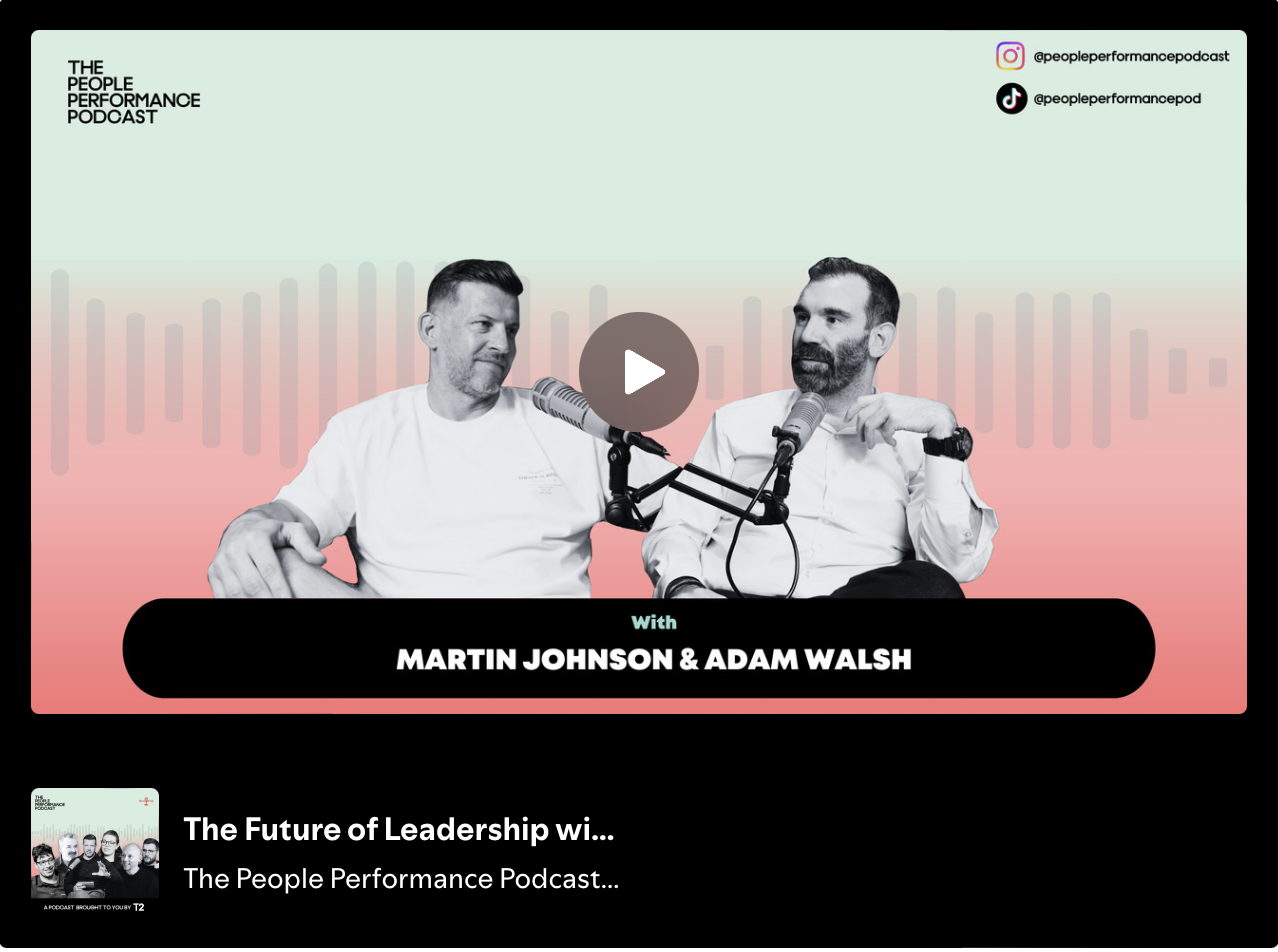
If you’d like to go deeper into what sustainable performance really looks like for leaders, we’ve explored it in a recent episode of the People Performance Podcast. In this Leader Lounge conversation, Martin Johnson breaks down the difference between peak, high and optimal performance, and why chasing “peak” can quietly damage the very leaders and teams you rely on. It’s a useful wider context for anyone rethinking how they define success and performance.