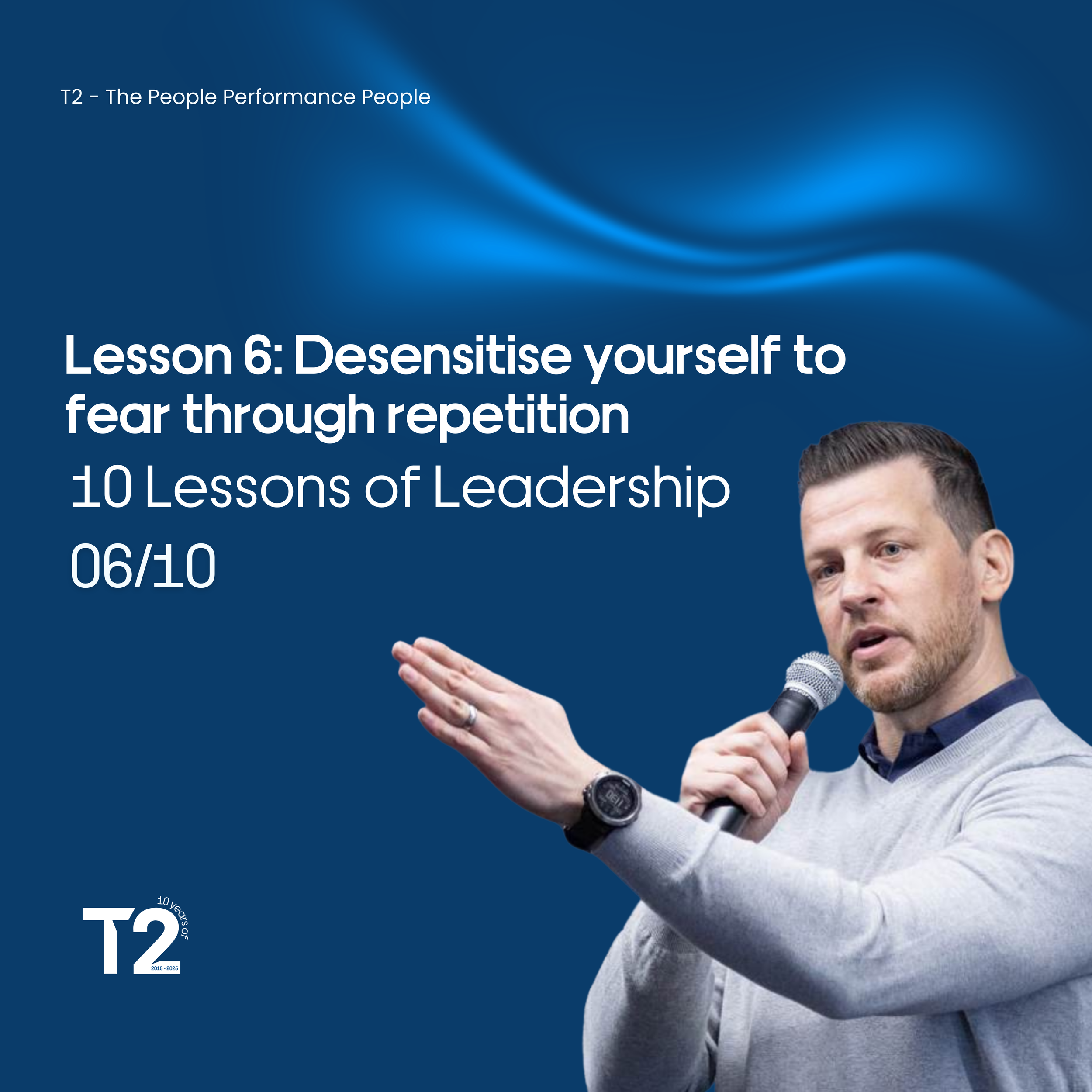

Lesson 7 by Martin Johnson – Find the “chasm” between supportive and assertive leadership
Leadership effectiveness often breaks down when organisations drift toward extremes. Some leaders default to control and authority, while others lean so heavily into support that accountability fades. Neither approach alone sustains performance, yet many teams unknowingly swing between the two, a pattern that quietly erodes credibility, clarity, and results.
Lesson 7 by Martin Johnson explores the “supportive assertive leadership” chasm, the critical space where high standards and high support coexist. Rather than reacting to shifting workplace trends or overcorrecting leadership styles, exceptional leaders learn to balance empathy with decisiveness, trust with accountability, and care with challenge. It is this equilibrium that creates resilient, high-performing cultures.
In today’s environment, shaped by evolving workplace expectations, hybrid working, and heightened sensitivity to leadership behaviours, mastering this balance has become a defining leadership capability. The lesson examines why leaders naturally gravitate toward one style, the risks of imbalance, and how consciously developing both assertive and supportive behaviours strengthens team performance, trust, and organisational effectiveness.
Lesson 7 - Find the “chasm” between supportive and assertive leadership
Great leadership occurs when leaders find what I call the chasm of supportive assertive leadership.
I often warn leaders against the “seesaw syndrome” – the pendulum swing from autocratic to overly supportive leadership styles, and sometimes back again, that many organisations experience. This seesaw effect has left many organisations struggling to maintain credibility, accountability and the ability to drive performance.
Over time, prevalent leadership styles have gone from one extreme to the other. Traditional leadership through the eighties, nineties, and into the noughties was predominantly autocratic and hierarchical. The way you got stuff done was to hit with the big stick and drive performance – the message was “you’re here to do a job”.
However, as society progressed into the 2010s and beyond, with advancing employment rights, the welcome drive for equality, and greater workplace diversity, many organisations swung completely from assertive to overly supportive leadership styles.
Rather than finding balance, we over-corrected, becoming overly focused on catering for people’s feelings and avoiding any approach that might be perceived as too direct. Covid supercharged this shift to supportive leadership, normalising remote working and wellbeing-focused approaches, but creating new challenges where leaders became terrified of being remotely assertive. The result is that many organisations have lost their ability to drive accountability, make tough decisions, and have difficult conversations because leaders are terrified of being seen as too assertive.
The best leaders combine assertiveness (driving results and accountability) with supportiveness (empathy, trust and development). It’s important to find the chasm – the sweet spot between assertiveness and support. This balanced approach creates optimal team environments where high standards meet high support.
The challenge is that most leaders naturally lean toward one style or the other. I default to assertive leadership and have had to consciously develop my supportive skills. Others naturally gravitate toward supportive leadership and must work on their ability to drive accountability.
Both qualities are essential and must be deployed contextually. Sometimes the situation calls for clear direction and accountability; other times for empathy and support. Masters of the chasm can read these situations and respond appropriately.
More About Martin Johnson
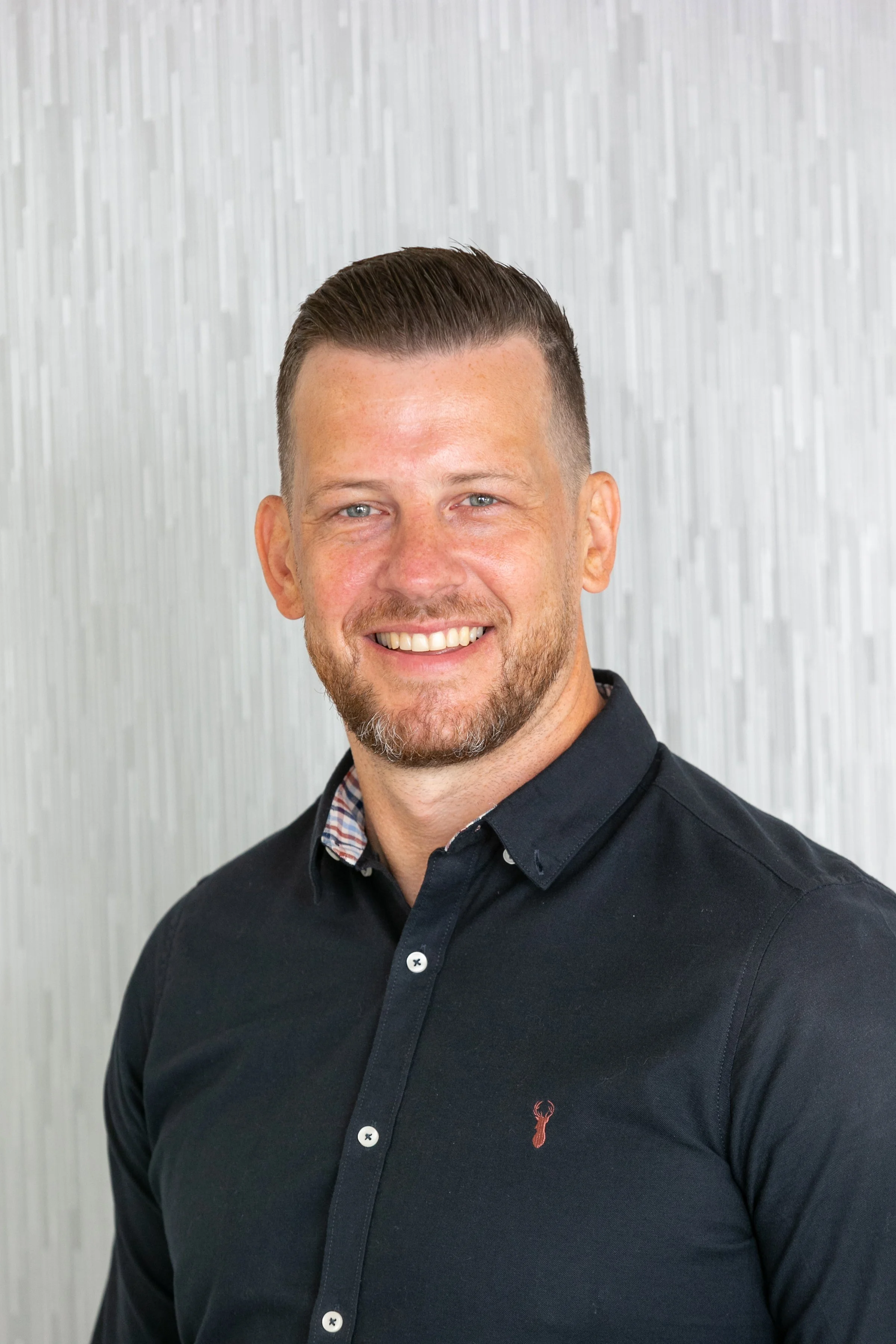
Martin Johnson is the founder and CEO of T2 The People Performance People, a consultancy at the forefront of leadership development, working with elite sports teams, global businesses, and public sector organisations. His journey from the Royal Navy to leadership consultancy has shaped a philosophy that blends performance psychology with real-world leadership practice.
Now celebrating its 10th year, T2 partners with organisations including INEOS Grenadiers, Manchester United, Specsavers, and Reckitt, helping leaders build confidence, collaboration, and capability that lasts.
This article is part of our 10 Lessons of Leadership series, celebrating 10 years of T2. Each month, we’ll share a new lesson from our CEO, Martin Johnson, designed to give leaders practical insights they can apply straight away.
This article is part of our 10 Lessons of Leadership series, celebrating 10 years of T2. Each month, we’ll share a new lesson from our CEO, Martin Johnson, designed to give leaders practical insights they can apply straight away.
Watch our journey. Be part of it!
Missed any of the previous lessons?